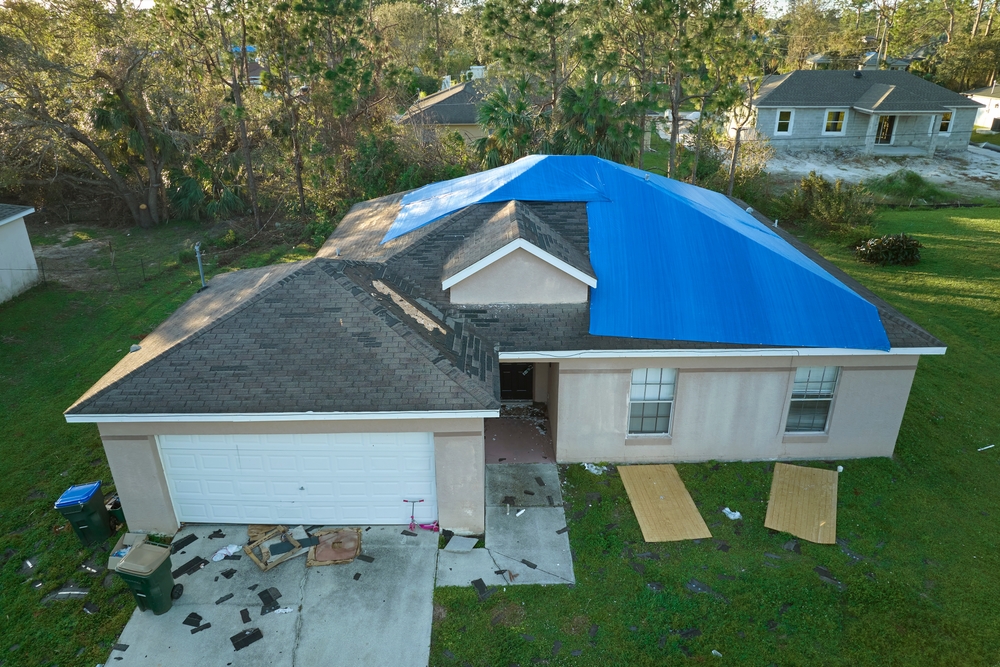
It’s hard to imagine your home underwater or scattered by a storm, but if you live in Florida, you’ve probably pictured it once or twice. Between tropical storms, heavy rain, and random weather patterns that seem to appear out of nowhere, learning how to prevent home damage from natural disasters isn’t really optional here. We can’t control the weather, but we can do a lot to control what happens next.
That’s the mindset we’ve seen make the biggest difference for Orlando homeowners: small, practical habits that prevent small leaks from becoming full-blown water damage problems. Over the years, our team at Elements Disaster Recovery has handled every type of emergency, from flooded living rooms to hidden mold growth that started after one rainy week. And what we’ve noticed is simple: the homes that fare better aren’t necessarily the newest or strongest, they’re the ones maintained with prevention in mind.
So if you’re wondering how to prevent home damage from natural disasters, here are ten 10 steps that actually work. None of them is a magic fix. They’re the quiet, often-overlooked steps that can save you thousands when the next storm rolls through.
How to Prevent Home Damage from Natural Disasters
1. Inspect Your Roof and Gutters Regularly
This one’s easy to underestimate. Most people don’t think about their roof until something drips. But after heavy rain or wind storms, tiny cracks or loose shingles can let water seep in slowly, quietly. That’s how many flood damage restoration calls in Orlando start.
Take a walk around your property every few months. Look for missing shingles, sagging gutters, and debris buildup. Even leaves can trap moisture that leads to roof rot. If you’re not comfortable climbing up, hire a professional once a year before hurricane season.
Your gutters matter more than you think, too. They’re your home’s first drainage line. When they overflow, water runs down your siding and into your foundation. That’s when you start seeing interior leaks, peeling paint, or worse, hidden mold that spreads inside the walls.
We’ve seen that story too many times. The good news? A few hours of cleanup twice a year often prevents it.
2. Seal Windows, Doors, and Foundation Cracks
Think of your home like a boat; it’s only as watertight as its seals. Over time, even the best caulk shrinks or cracks. When wind and rain hit, that’s where moisture finds its way in.
Use a flashlight to check the edges of doors and windows for light leaks. Feel around the sills after storms. If you sense a draft or dampness, reseal. Silicone or weatherproof caulk works best for Florida’s humidity.
And don’t forget the foundation. Even small hairline cracks can let groundwater sneak in. Patch them early, before you have to call a water damage restoration company like ours to handle soaked carpet or drywall.
This kind of prevention also reduces humidity inside, which helps avoid mold problems. Mold doesn’t need a flood to grow, just a little trapped moisture and time. We’ve handled plenty of mold removal in Orlando FL that started from a window leak smaller than a pencil tip.
3. Check Drainage Around Your Property
Ever noticed water pooling in your yard after a storm? That’s not just annoying, it’s a red flag. When the ground slopes toward your house instead of away, you’re inviting water to settle against your foundation.
You can fix minor grading issues by adding soil to create a gentle slope. For bigger drainage problems, consider French drains or extensions that carry water farther out.
And while you’re at it, check your downspouts. They should discharge at least six feet from your walls. Otherwise, that water has nowhere to go except back into your crawl space or slab.
We’ve seen this over and over during flood repair in Orlando, a beautifully maintained home with perfect landscaping, but a poorly placed drainpipe that quietly flooded the foundation after every storm. A small tweak could have prevented it.
4. Install a Sump Pump or Backflow Valve (If Applicable)
Not every Florida home has a basement, but sump pumps and backflow valves still have their place. If your property sits low or near a floodplain, these tools act like insurance against rising groundwater.
A sump pump pulls water away before it reaches your living space. A backflow valve prevents sewage from backing up when storm drains overflow, a common issue during tropical storms.
If you already have one installed, test it before hurricane season. (Pour a bucket of water into the pit and make sure it activates.)
People sometimes hesitate to invest in these systems because they seem unnecessary, until one night they would have saved a flooded floor.
And yes, insurance helps, but even flood insurance policies don’t cover everything. A quick talk with your insurance company or insurance agent can help you understand the gaps. A little prevention often costs less than one deductible.
5. Maintain HVAC and Ventilation Systems
This one surprises people. Air conditioners and ventilation ducts play a bigger role in disaster prevention than you’d think. When Florida humidity rises after a storm, poorly ventilated spaces trap moisture, creating ideal conditions for mold growth.
Keep filters clean. Have your ducts checked for leaks or condensation buildup at least once a year. And if you ever smell a musty odor after a flood or heavy rain, don’t ignore it. That’s often the first sign of hidden mold behind walls or inside vents.
Our mold remediation team in Orlando FL often gets called weeks after a storm passes, long after the standing water’s gone. The humidity inside stayed high, and the A/C couldn’t keep up. Once mold spreads, it takes specialized cleaning and equipment to remove it safely.
Prevention here isn’t glamorous, but it’s effective. A quick HVAC tune-up before hurricane season can mean the difference between a clean recovery and a major restoration job later.
6. Store Important Belongings and Documents Safely
There’s something unsettling about watching people sort through soaked boxes after a storm. We’ve seen that scene too many times. Insurance documents, family photos, old videos, they’re always stored “somewhere safe,” until that safe place floods.
Keep the things that matter most in waterproof bins or airtight containers. For critical paperwork—insurance policies, birth certificates, home deeds—scan and back them up digitally. Cloud storage might not feel urgent now, but when water damage hits, it’s a lifesaver.
And speaking of insurance, it’s worth double-checking your coverage once in a while. Regular insurance reviews can reveal gaps you didn’t realize existed. Some homeowners think they’re protected from floods under home insurance, but that’s rarely true. You usually need separate flood insurance through programs like the National Flood Insurance Program (NFIP) or private options.
It’s a bit tedious, calling your insurance agent, comparing insurance solutions, asking what’s really covered, but it matters. Especially when you live in a place where severe weather can turn a regular afternoon into an emergency broadcast within minutes.
7. Reinforce Outdoor Structures and Openings
Wind is sneaky. It doesn’t just blow things over; it pries, pulls, and peels until something gives.
Before hurricane season, take a walk around your property. Check the garage door, fence, patio covers, and any detached sheds. Tighten loose hardware, replace weak panels, and if you can, install storm shutters or storm panels on vulnerable windows.
Even small objects can become projectiles during high winds. That garden chair, the grill, the potted plant by the door; they all move faster than you’d expect in 80-mile-per-hour gusts.
We’ve seen “minor wind damage” turn into thousands in flood damage restoration because one broken window let the rain in. Reinforcing your property is less about making it indestructible and more about giving it a fighting chance.
Some homeowners also look into fire-resistant building materials or home hardening upgrades, especially those building new homes or renovating older ones. Florida isn’t known for wildfires, but it’s part of the broader disaster preparedness mindset, building smarter for long-term safety.
8. Create an Emergency Response Plan
Every family should have one, but most don’t. We get it, it’s uncomfortable to think about. But if you’ve ever had to evacuate in a rush or been separated from loved ones during widespread emergencies, you know how chaotic it can get.
Start small. Write down your emergency plan. Where do you go if you have to evacuate? Who do you call first? How do you stay in touch if the cell towers go down?
Keep a weather radio or a radio for emergency communication in the house. Sign up for emergency alerts from your county emergency management office. Store a printed list of phone numbers: neighbors, relatives, emergency services, and yes, your insurance company, just in case.
Build an emergency kit with water, flashlights, batteries, first aid, medications, and copies of insurance documents. It sounds simple, but during sudden emergencies, even finding a flashlight can feel like solving a puzzle.
And have a contact outside your area to check in with if your family gets separated. Those first few hours after a storm are when confusion peaks. A well-thought-out emergency plan brings a bit of calm to that chaos.
9. Control Indoor Humidity Year-Round
It’s not only storms that damage homes, it’s the slow, invisible kind of moisture too. Florida’s humidity has a way of sneaking into corners, crawlspaces, and closets.
Try to keep indoor humidity below 50%. A dehumidifier helps, especially in basements or enclosed rooms. Run your A/C a bit longer after rainstorms to dry the air.
Watch for signs: foggy windows, musty smells, or small dark spots on drywall or ceilings. Those are early warnings of hidden mold.
And this is where professional help can make a difference. If you suspect mold, skip the DIY sprays. Mold often grows behind walls, inside insulation, or under flooring. That’s when calling a mold removal company in Orlando FL like Elements Disaster Recovery matters.
We’ve handled everything from tiny closet infestations to full-home mold remediation in Orlando FL after floods. Once it spreads, you need special containment and HEPA filtration to remove spores safely.
Preventing humidity buildup isn’t exciting work; but it’s how you stop those bigger, more expensive problems later.
10. Schedule a Professional Property Assessment
Even with the best preparation, there are things you can’t easily spot on your own: slow leaks, hidden rot, or areas where building materials have weakened over time.
That’s why some homeowners schedule a professional inspection each year, especially before hurricane season. It’s not just about code compliance; it’s about peace of mind.
A qualified inspector or water damage restoration company can identify risks early: cracks, soft spots, poor insulation, or outdated drainage setups that could fail under heavy rain. Think of it as preventive maintenance rather than repair.
At Elements Disaster Recovery, we’ve helped countless homeowners in Orlando catch problems before they turned into emergencies. And when disasters do happen, because sometimes they just do, we’re here to handle the flood damage restoration, water extraction, and mold removal that follow.
It’s not the kind of service anyone hopes to need, but having a trusted local team on standby makes recovery faster and less stressful.
Prevention Helps, But Recovery Matters Too
No one can prevent every kind of natural disaster. Even the most well-prepared homes face risks: wind storms, severe winter storms, or the occasional tropical storm that refuses to follow the forecast.
But prevention is still worth it. Every small fix, every inspection, every conversation with your insurance agent adds up. It’s the difference between minor cleanup and major flood damage restoration later.
And when those disasters do hit, what matters most is what happens after. Fast action, professional cleanup, and safe mold remediation are what get your home back to normal. That’s where local expertise really counts.
At Elements Disaster Recovery, our Orlando team specializes in water damage restoration, flood repair, and mold removal. We’ve seen every scenario: burst pipes, flash floods, hurricane leaks, you name it. And we know how to restore homes quickly and safely.
If you ever need help—or even just advice before the next storm—reach out. Whether it’s prevention tips or a full flood damage restoration in Orlando FL, we’re here to help you protect what matters most.
FAQs | How to Prevent Home Damage from Natural Disasters
What’s the best way to protect your home from hurricane damage in Florida? Reinforce your roof, windows, and garage door. Keep gutters clear, and consider installing storm panels or shutters.
How do I prevent water damage after heavy rain? Check your drainage, seal openings, and use a sump pump if your property floods easily. Dry out wet areas quickly to prevent mold.
What should I do first if my home floods? Turn off electricity (if safe), take photos or videos for insurance claims, and call a local water damage restoration company in Orlando FL right away.
Does insurance cover flood damage? Standard home insurance usually doesn’t. You’ll need separate flood insurance through the National Flood Insurance Program or a private flood insurance provider.
How do I prevent mold after a flood? Dry everything within 24–48 hours, use dehumidifiers, and contact professionals like Elements Disaster Recovery for mold inspection or remediation if needed.
Final Words
You can’t stop the weather, but you can prepare for it. Knowing how to prevent home damage from natural disasters can make a huge difference when the next storm hits. And when prevention isn’t enough, knowing who to call matters just as much.
If you’re in Central Florida and need help with flood damage, water damage restoration, or mold removal, Elements Disaster Recovery is your trusted local partner, right here in Orlando, ready when you need us.