Can Smoke Damage Be Removed from Furniture? The Real Answer from Restoration Experts
The short answer is yes, smoke damage can be removed from furniture. But how well it turns out depends on what the furniture is made of, how long it’s been exposed, and how quickly restoration begins. Professional treatment is usually the only way to fully remove smoke odor, soot, and residue without ruining the materials underneath.
If you’re dealing with smoke damage in your home in Orlando, timing matters. The sooner a restoration specialist steps in, the more you can save.
The Hidden Problem with Smoke Damage
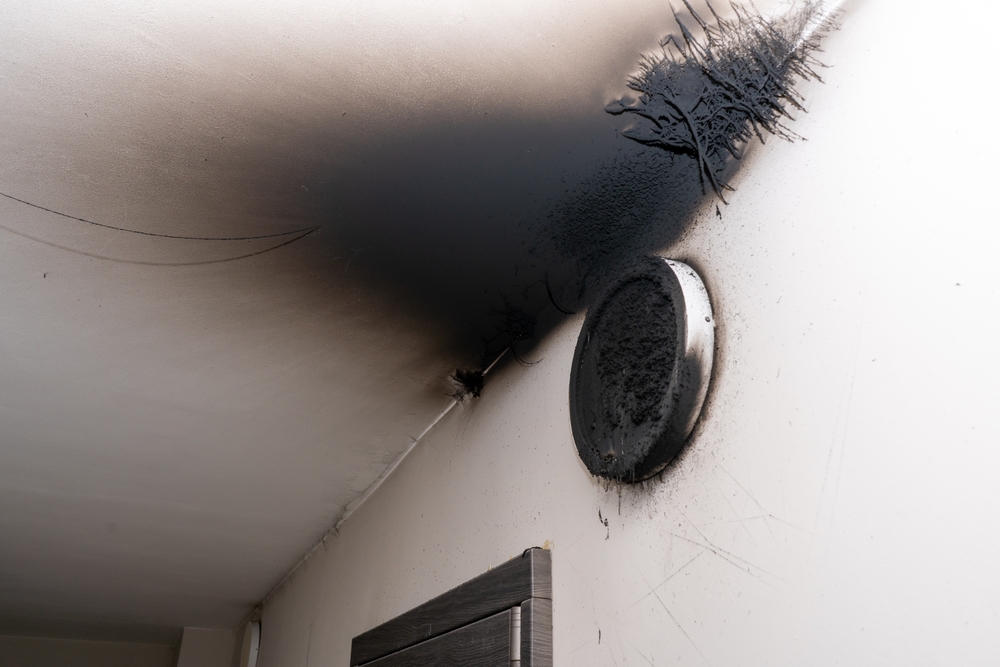
After a fire, the obvious damage, charred walls, burned flooring, and the smell that lingers usually get all the attention. But smoke is quieter. It seeps into everything. Upholstery, drawers, and even behind cabinet joints.
It’s strange how something invisible can feel so heavy. Homeowners often describe it as “the smell that won’t go away.” That’s because smoke particles cling to surfaces and drift deep into porous materials, forming a sticky residue that can last for months.
Different types of smoke cause different kinds of damage.
- Wet smoke (from slow-burning fires) leaves a thick, sticky film that’s hard to clean without smearing.
- Dry smoke (from fast, high-heat fires) creates fine powdery soot that settles in cracks and fabrics.
- Protein smoke (from kitchen fires or burned food) has a strong, stubborn odor that attaches to paint, varnish, and even clothing.
Once this residue cools, it starts to bond with the surface. That’s when typical household cleaners stop working, and when professional smoke damage restoration becomes the only realistic option.
Can Smoke Damage Be Removed from Furniture?
Can Smoke Damage Be Removed from Wood Furniture?
In most cases, yes. But it’s not always simple.
Wood is porous, so soot and smoke can sink into its surface, especially if it’s unfinished or lightly sealed. You might wipe away the black residue only to find the smoky smell still there.
Some homeowners try white vinegar or baking soda first, and it’s understandable. Both can neutralize surface odors in mild cases. But deep smoke damage often hides beneath the finish, especially around cabinet joinery or inside drawers. That’s where professional restoration makes a difference.
Restoration technicians use tools like HEPA vacuums, dry-cleaning sponges, and thermal fogging to pull out and neutralize trapped smoke. For fire-damaged wood, we might sand down the surface with an orbital sander, recondition it with wood filler and furniture refinisher, then seal it again with paste wax or wood cleaner.
A homeowner can clean the surface, but not the scent. Only a professional odor removal process — ozone or fog treatment — can completely remove that smoky undertone that tends to return when humidity rises.
Can Smoke Damage Be Cleaned from Upholstered Furniture?
This one’s trickier. Fabric is like a sponge for smoke.
Even after you vacuum or sprinkle baking soda, odors often linger deep in the padding. The soot from a home fire doesn’t just settle on top; it travels through every layer of fabric, especially if it’s synthetic.
You might see advice online suggesting white vinegar, household cleaners, or even DIY deodorizing sprays. These can help for light exposure. But for furniture that’s been near a fire, they are rarely enough. Smoke particles stick to fibers in a way regular cleaners can’t reach.
Professional smoke odor removal involves:
- Vacuuming with HEPA filters to capture soot.
- Steam extraction to lift residue without soaking the fabric.
- Ozone generators or thermal fogging to neutralize odor molecules completely.
Every fabric has its own cleaning code (such as W, S, or WS), which is especially important when cleaning a fabric sofa. Use the wrong product, and you could damage the upholstery permanently. That’s one reason working with a furniture restoration specialist is safer; they match the method to the fabric and the smoke type.
Sometimes, even when restoration works, it’s emotional. There’s the relief of saving something you thought was gone… and also the surprise of realizing how much smoke had really settled in your home.
Can Leather Furniture Be Restored After Smoke Damage?
Usually, yes — if treated quickly.
Leather is semi-porous, which means it can absorb smoke particles without showing much on the surface. The smell might not appear until a few days later. That’s why it’s best not to delay.
The wrong cleaner can dry out leather, strip natural oils, or change the color. Using chlorine bleach, for instance, is a common mistake that causes cracking.
Professionals clean leather furniture with pH-balanced solutions, then restore its natural oils using conditioners. If the residue has already caused discoloration, refinishing might be part of the process.
If you’re in Orlando and dealing with a fire-damaged couch or recliner, it’s worth getting a quick inspection before deciding whether to toss it. Many pieces that seem ruined can still be restored, especially high-quality leather.
Can You Save Mattresses, Cushions, or Fabric Chairs?
Sometimes. But not always.
Foam and cotton padding are extremely absorbent. Smoke and soot can bury deep inside, to the point that cleaning products can’t reach them. Even with ozone treatment, certain items remain unsafe to keep.
You’ll often hear restoration specialists use the word “salvageable.” It’s not just about appearance. It’s about structural integrity and health safety. If smoke residue or toxic particles are trapped inside foam, replacing that item is the safer route.
Think of it this way: professional restoration aims to save what’s valuable, not everything at any cost. Some things, especially porous textiles, may need to go. But others can look and smell brand new again with the right treatment.
DIY Smoke Removal
You can find endless tutorials online suggesting baking soda, white vinegar, or household cleaners for smoke-damaged furniture. These can help reduce surface odor but rarely remove it fully.
Dry-cleaning sponges or tri-sodium phosphate are sometimes mentioned for smoke-stained walls or fire-damaged wood, but both come with risks. Tri-sodium phosphate, for instance, can discolor wood or harm certain finishes.
Even simple actions like vacuuming require care. A regular vacuum cleaner might blow soot back into the air, spreading fine particles across other surfaces. Professionals use HEPA vacuums and personal protective equipment like nitrile gloves and respirators to prevent contamination.
DIY cleanup can help temporarily, especially in small areas. But for fire-damaged furniture, advanced tools like ozone machines, foggers, and specialized cleaning compounds are what actually eliminate smoke odor safely.
Clean or Replace? How to Decide
Here’s where most homeowners get stuck. You stand there, looking at a table or couch covered in soot, wondering: Is this even worth saving?
There’s no single answer. It depends on several factors, and sometimes on the emotional value an item holds.
Here’s a simple way to think about it:
- Assess the Extent. Is the smoke damage just on the surface, or does it smell even after cleaning? Light smoke stains can often be removed; deep odor usually means the particles have soaked into the material.
- Check the Materials. Wood, leather, and metal can often be restored. But unfinished wood, foam, and fabrics may absorb too much residue.
- Consider Safety and Air Quality. Even if furniture looks fine, trapped soot can release toxins over time. If it smells smoky days later, that’s a sign it’s still contaminated.
- Think About Value. Sentimental pieces like heirlooms or antiques may be worth restoring professionally. Everyday items might not be. But don’t assume it’s lost until a restoration technician inspects it.
- Get Professional Input. An odor removal company like Elements Disaster Recovery can test furniture, identify smoke type, and give you realistic options. That’s important for insurance claims too; you’ll want a clear record of what’s salvageable and what’s not.
Sometimes people expect the choice to be clear-cut. But it rarely is. You might save one chair, replace another, and then realize a dresser still smells faintly weeks later. It’s all part of the process. Smoke doesn’t behave logically, and neither does grief over what’s been lost or saved.
Still, most homeowners are surprised by how much restoration can do. A few treatments with an ozone generator or thermal fogging can turn “unlivable” back into “almost normal.”
If nothing else, it gives you control again over what stays, what goes, and what can still be repaired.
When It’s Time to Replace
Sometimes the best decision is to let something go.
If a piece of furniture has soaked up smoke for too long or has visible structural damage — warped wood, broken joints, burnt finishes — restoration might not be worth the cost. The same goes for unfinished wood or cushioned furniture that’s absorbed toxic residue.
In those cases, replacing the item is safer and often cheaper. Most insurance policies cover replacement for non-salvageable furniture after a fire, especially if a certified remediation specialist provides documentation.
Even then, it helps to have a professional opinion before you decide. Many items that seem unsalvageable, like smoke-damaged furniture or smoke-stained walls, can still be saved if restoration starts quickly.
When the Fire’s Out, the Work Begins
After the fire department leaves, there’s still a lot to handle: insurance claims, cleanup, temporary living arrangements. It’s overwhelming. And that’s when decisions about furniture often get pushed aside.
But waiting too long can make things worse. Smoke residues harden over time, turning acidic and damaging finishes permanently. Even a day or two of delay can increase restoration costs.
That’s why Elements Disaster Recovery offers emergency service for fire and smoke clean-up in Orlando. The faster the response, the higher the chance of saving salvageable furniture and lowering your claim expenses.
If you’re unsure whether something can be saved, just ask. A quick inspection from a restoration technician can tell you what’s truly restorable and what isn’t worth keeping.
Why Professional Smoke Damage Restoration Is Worth It
If there’s one thing most homeowners say after working with a restoration team, it’s this: “I didn’t realize how bad it really was until they started cleaning.”
That’s because smoke damage is deceptive. It hides behind walls, inside drawers, under fabrics, and inside the tiniest joints of wood furniture. You can’t see it all, and without the right equipment, you can’t remove it all either.
Professional smoke damage restoration isn’t just about cleaning. It’s a process that reverses as much fire and smoke contamination as possible while keeping your home safe to live in.
At Elements Disaster Recovery, that process includes:
- Inspection and Testing: Restoration technicians identify the type of smoke residue — wet, dry, or protein-based — because each one reacts differently to cleaning products.
- Soot and Odor Removal: Using HEPA vacuums, dry-cleaning sponges, and specialized detergents that lift smoke particles without spreading them.
- Ozone and Fog Treatments: Ozone generators and thermal fogging neutralize smoke odor at the molecular level, even in places you can’t reach by hand.
- Surface Refinishing: For fire-damaged wood furniture, we may use wood filler, furniture refinisher, or paste wax to restore finish and color.
- Odor Control: If odor remains in carpets, fabrics, or wood flooring, advanced odor removal systems or deodorizing sprays help restore air quality.
It’s not a one-size-fits-all process. Every restoration project depends on the materials, the type of fire, and how long the smoke was present. But what homeowners appreciate most isn’t just the results, it’s the relief. Someone else is handling the worst part.
Inside the Restoration Process: What Really Happens
When you hire a professional odor removal company in Orlando, like Elements Disaster Recovery, the process should start fast; usually within hours if you call an emergency service.
Here’s a look at what typically happens:
Step 1: Evaluation and Safety Check. Our team inspects furniture, walls, and structure for fire damage, water damage from fire hoses, and potential safety issues. We check structural integrity, especially for wood or framing exposed to heat.
Step 2: Containment and Cleaning. Our technicians set up barriers to prevent cross-contamination, wearing personal protective equipment, and begin using HEPA vacuums and dry-cleaning sponges to remove loose soot.
Step 3: Deep Cleaning and Odor Neutralization. This step depends on materials:
- Wood furniture: treated with wood cleaner, sanded if needed, then refinished.
- Upholstered furniture: cleaned with hot-water extraction or dry solvent, depending on cleaning codes.
- Leather furniture: reconditioned with oils to restore flexibility.
- Plastic items and metal surfaces: cleaned with household cleaner or gentle solvents.
Then comes the science part: ozone machines and thermal fogging. These break down smoke odor molecules throughout the house: furniture, clothing, even food and beverage storage areas.
Step 4: Deodorization and Refinishing. Once the odor is neutralized, surfaces get refinished to restore their look. Some may need steel wool, a heat gun, or sanding tools. Others might require sealing or re-polishing.
Step 5: Final Inspection and Air Testing. Before completion, our team checks the air quality to confirm no residual smoke or chemical odor remains. This documentation also helps with your insurance claim.
It’s detailed work, but every step matters. Skipping even one can leave behind that faint smell that always reminds you of the fire.
Emotional Recovery: The Part No One Talks About
There’s a moment that happens during every fire-damage restoration job. It’s when the homeowner walks in and realizes their home no longer smells like smoke.
Sometimes it’s quiet. Sometimes people cry. Because it’s not just the odor that goes away, it’s the reminder.
Smoke is deeply tied to memory. You might clean every surface and still smell it faintly when the air gets humid or when sunlight hits a certain spot. That’s why complete odor removal isn’t just practical, it’s emotional. It gives you back your space.
And maybe this sounds odd, but even technicians notice it too. There’s something satisfying about watching soot lift off a surface, revealing the grain of the wood again. It’s not just a job. It’s restoration in the truest sense.
Odor Removal: The Science Behind the Fresh Start
A lot of people assume odor removal means just masking the smell. But smoke odor doesn’t work that way. You can’t cover it with candles or sprays; it always returns.
True odor & smoke removal neutralizes the particles that cause the smell. Ozone generators change the chemical structure of smoke molecules. Thermal fogging recreates the conditions of the fire, allowing deodorizing agents to penetrate the same pores the smoke did.
It sounds high-tech because it is. And it works.
An odor removal company in Orlando, FL, like Elements Disaster Recovery, uses both methods as part of a proven multi-step process. Combined with surface cleaning, air filtration, and HVAC treatment, the result is a home that smells like… nothing. Which is exactly what you want.
How to Protect Your Furniture in the Future
A few small steps can make a big difference if you ever face another fire risk:
- Install and test your smoke alarms regularly.
- Keep furniture away from stoves, heaters, or open flames.
- If a firefighting process involves fire hoses or sprinklers, begin drying immediately to avoid water damage.
- Store food and canned goods safely after a fire; smoke contamination can make them unsafe.
- Hire professionals for post-fire cleanup to ensure no hidden residue is left behind.
No one ever plans for a fire. But you can plan your response.
Why Orlando Homeowners Choose Elements Disaster Recovery
There are plenty of cleaning companies. But not many that specialize in fire-damage restoration and odor removal at the same level of precision and care.
Elements Disaster Recovery is locally based in Orlando, serving homeowners who’ve faced everything from small kitchen fires to large structural losses.
We use advanced tools and proven processes that meet industry standards for safety and effectiveness. Every restoration technician is trained to balance technical skill with empathy, because we know this isn’t just about furniture. It’s about peace of mind.
Final Words | Can Smoke Damage Be Removed from Furniture?
So, can smoke damage be removed from furniture? Yes. Most of the time, with the right help.
You can’t undo a fire. But you can recover from it. And if you act quickly, much of what feels lost might only need the right touch, the right tools, and a bit of professional care to come back to life.
Whether it’s fire-damaged furniture, smoke odor, or water damage left behind from the firefighting process, there’s almost always a path forward.
Don’t wait. Smoke damage gets worse with time.
If your home in Orlando still smells like smoke or your furniture feels beyond saving, call us at Elements Disaster Recovery. Our certified restoration technicians can inspect your items, explain what’s salvageable, and restore what matters most.
Call Now for Professional Fire and Smoke Damage Restoration in Orlando, FL. Fast response. Proven results. Real peace of mind.